


Safe Chemicals and Facilities
Learn about our collaborative teams and campaigns.
Explore the data
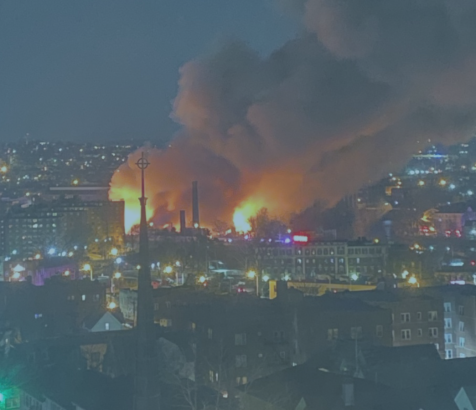
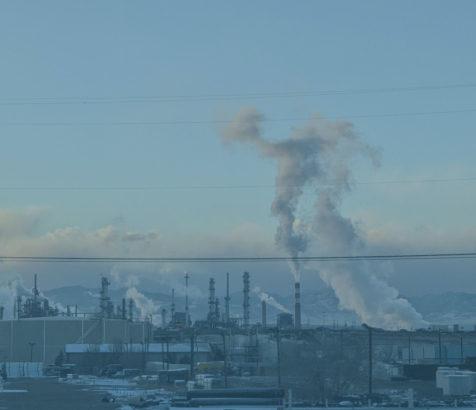
Chemical fires, explosions and toxic releases occur every other day in the U.S.
Data points are uploaded weekly by the Coalition to Prevent Chemical Disasters.

Watch the video: Life at the Fenceline
There are over 12,000 extremely hazardous chemical facilities across the nation, disproportionately located in communities of color.
Related News

July 19, 2026
Serious Chemical Accidents Are Rising in the U.S.—and Getting More Dangerous
Chemical accidents killed 48 people in 2025—almost double 2024’s toll—and seriously injured 142, according to a new analysis by the Wall St. Journal of data submitted to the Chemical Safety Board. The Coalition to Prevent Chemical Disasters, which tracks news reports of chemical incidents, counts about twice as many as the CSB between 2021 and 2025, since the CSB doesn’t require reporting of accidents that resulted in just shelter-in-place or evacuation orders, for instance.
Read More
May 31, 2026
Back-to-Back Chemical Disasters Strike as Trump Seeks to Roll Back Safety Rules
Two major incidents at chemical plants within the past week sent tens of thousands fleeing from their homes in California and left 11 people dead in Washington. But despite a spate of similar incidents over the last year, the Trump Administration is planning to roll back federal regulations designed to prevent similar disasters. Experts and environmental groups have warned that such a move would make chemical accidents far more common. According to the Coalition to Prevent Chemical Disasters—a group of environmental justice, labor, public health, national security, and environmental organizations—at least 215 dangerous chemical incidents occurred in 2025, including fires, explosions, and toxic releases. It says there have been at least 1,446 hazardous chemical incidents in the U.S. since 2021, an average of 5 incidents per week.

May 29, 2026
Tragic deaths in Washington, massive evacuation in California show Trump Environmental Protection Agency is failing to keep Americans safe from chemical disasters
“The fatal and shocking incidents communities have faced in recent days demonstrate the urgent need to implement and build on existing regulatory safeguards so communities near chemical facilities are protected from chemical disasters. But, instead of protecting workers and families from death, injury, and illness, Trump’s EPA is putting communities at greater risk of harm by weakening the nation’s primary defense against chemical facility incidents. The Risk Management Program (RMP) protects against catastrophic industrial chemical releases, fires, and explosions through preventative safety measures. The Trump administration is attempting to weaken this rule. Every chemical incident, every life lost, and every evacuation is one too many. Each chemical emergency makes clear the need to strengthen, not dismantle, protections against chemical disasters before more workers, families, and communities are harmed.”
Read More
May 14, 2026
Federal Chemical Safety Board Sends Warning on Trump Disaster Policy
For a year now, the Chemical Safety Board, a small independent agency that investigates chemical spills and other disasters has faced elimination under President Trump’s budget cuts.That hasn’t stopped the board from taking on the Trump administration. The agency is now opposing an attempt to roll back new chemical disaster rules that were introduced under former President Joseph R. Biden and aimed to prevent accidents at thousands of industrial facilities. The Chemical Safety Board has been taking the lead in investigating accidents, including a chemical leak at a plant in West Virginia last month that killed two people. Maya Nye, who grew up about a mile from the plant and whose family was forced to shelter in place as the emergency unfolded, described the accident as one of many over the years across the industrial corridor along the Kanawha River near Charleston, a hub for chemical manufacturing that residents call “Chemical Valley.” “We’ve been kicking and screaming for years calling for improvements, protections under these rules. And now it feels like we’re taking 10 steps back,” said Dr. Nye, who is federal policy director for Coming Clean, a nonprofit organization that advocates for policies to prevent disasters and reduce toxic pollution.
Read More
May 7, 2026
The Trump administration is deleting government data. From infant deaths to hunger, here are 5 ways it’s hurting Americans
Until last year, one of the best ways to find out if you live near one of the roughly 12,000 facilities that store hazardous, cancer-causing chemicals used in manufacturing products like pesticides or medical devices was to go to an EPA webpage for the Risk Management Program (RMP). There you could type in your zip code in a search tool, and see if any of these chemical factories are nearby. (Latino, Black and low-income people are more likely to bear the brunt of chemical pollution; they disproportionately live closer to chemical plants than other groups.) But last April, the Trump administration took down this tool. Now the only way to get this information is to drive to one of several dozen EPA reading rooms across the country to examine paper records. “You have a right to know what’s in your back yard,” said Maya Nye, federal policy director for Coming Clean, a non-profit environmental health collaborative. She said the removal of the tool is particularly concerning because “we haven’t figured out how to prevent chemical disasters and people are still experiencing them”.
Read More
April 14, 2026
Chemical Threats Nearby? Trump’s EPA Doesn’t Want You to Know.
Climate change is making the risk of disastrous chemical accidents more likely. But the EPA wants to gut recently enhanced safety requirements for hazardous facilities. Raschelle Grandison had just walked out her front door to grab something from her car on a chilly March morning in 2019 when she stopped dead in her tracks. Grandison stared in disbelief at what looked like a nuclear mushroom cloud approaching the Houston home she shared with her mother, who ran outside to see what was wrong. They were still watching the giant black cloud hurtling toward their neighborhood from the Houston Ship Channel when the shelter-in-place alerts started blaring. A massive fire had started at a bulk-liquid storage facility run by the Intercontinental Terminals Co. about 5 miles away after a faulty pump released naphtha, a highly flammable hydrocarbon used to make gasoline and plastic, from an 80,000-barrel tank.
Read More
March 27, 2026
Proposed EPA rollbacks would put communities at greater risk for chemical disasters, workers and advocates warn
Workers, lawmakers and environmental advocates gathered this week to speak out against a proposed federal rule that would roll back protections for people who live near hazardous facilities across the country. “This is just the latest example of how this administration will do whatever it can to put industry profit over the health and safety of workers, first responders and communities that allow those companies to exist in the first place,” US Rep. Paul Tonko, a Democrat from New York, said during a March 25 press event on Capitol Hill in Washington, DC. The event was organized by the Coalition to Prevent Chemical Disasters, an alliance of community, environmental, and labor organizations working to strengthen federal regulations to prevent chemical disasters.
Read More
March 5, 2026
Chemical Plants Keep Exploding, but Trump’s EPA Is Rolling Back Safety Rules Anyway
In 2024, the federal Environmental Protection Agency attempted to address the risk of chemical leaks through a rule called the Safer Communities by Chemical Accident Prevention. It promised a modest course correction, requiring dangerous plants to investigate past accidents, plan for climate-fueled disasters, give workers more power to halt unsafe operations, and, in some cases, switch to safer chemicals or processes. But last month, Trump’s EPA proposed gutting most of those safeguards before they ever took effect, moving to strip away requirements for safer technologies, climate and natural disaster planning, third-party safety audits, and strong worker participation in decision making. “For fenceline communities and facility workers, this rollback is a declaration that our lives are deemed acceptable sacrifices,” said Ana Parras, executive director of Texas Environmental Justice Advocacy Services, a group that has worked in several national coalitions around chemical safety.
Read More
2013 Explosion and Chemical Disaster in West, Texas